Guilford
One of New England's grandest town greens.
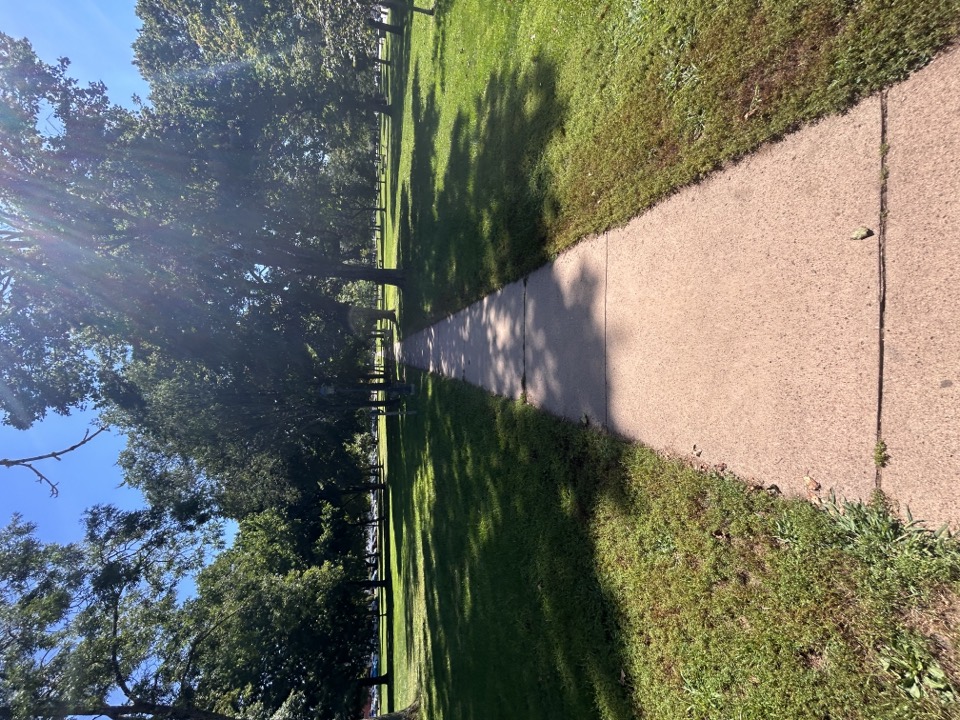
Guilford is built around a town green so large and so intact that it still sets the rhythm of the place — markets, concerts and Friday evenings all happen on it.
What Guilford is known for
- A roughly twelve-acre town green, among the largest and best preserved in New England, ringed by colonial and Federal houses.
- The Henry Whitfield State Museum, built in 1639 and the oldest stone house in New England.
- Jacobs Beach and the Guilford Art Center, plus working shellfish beds along the Sound.
- Sachem's Head and Mulberry Point — rocky, wooded peninsulas with deep-water frontage.
Quick facts
- Sits on
- Long Island Sound, east of Branford
- Known for
- The town green, colonial architecture, Sachem's Head
- Rail
- Shoreline East, with Amtrak connections at New Haven and Old Saybrook
- Feel
- Historic, walkable, town-centerd
Common questions about Guilford
What is Guilford, Connecticut known for?
Guilford is best known for its large colonial town green, one of the biggest in New England, and for the Henry Whitfield House — built in 1639, the oldest stone house in New England. It also has direct Long Island Sound frontage along Sachem's Head and Mulberry Point.
Is Guilford on the water?
Yes. Guilford fronts Long Island Sound, with public access at Jacobs Beach and private frontage concentrated along the Sachem's Head and Mulberry Point peninsulas.
What kinds of homes are in Guilford?
Housing ranges from restored colonial and Federal houses around the green to mid-century and contemporary homes on the shore peninsulas, plus wooded inland properties north of the Post Road.
The other five towns
Follow the numbers in Guilford
Sold homes, median prices and price reductions across the six towns, once a month. No listings, no pitch.
Get the monthly read